A reliable roof is one of the most critical investments you can make for your warehouse or factory. For setting up a new facility or replacing an aging structure, the wrong choice can lead to costly leaks, frequent repairs, and unnecessary downtime. This guide walks you through everything you need to consider, so you can choose an industrial roofing solution that is durable, cost-effective, and built for the long run.
Your warehouse or factory roof does more than just cover your building. It protects your inventory, machinery, workers, and your entire business operation. A poor roof means water damage, energy losses, and costly downtime, none of which any business owner wants to deal with.Yet, choosing the right industrial roofing solution can feel overwhelming. With so many options available, where do you even begin?
Before selecting a roofing system, take a step back and assess your facility. Consider these key questions:
What load will the roof carry? Consider weight from rainfall, equipment, and potential solar panels.
Once you understand your needs, evaluate each roofing option against these critical factors:
Low Maintenance: A good industrial roofing system should be virtually maintenance-free — no frequent patching, resealing, or leak chasing.
Not all roofing systems are built for industrial use. Here is a quick comparison:
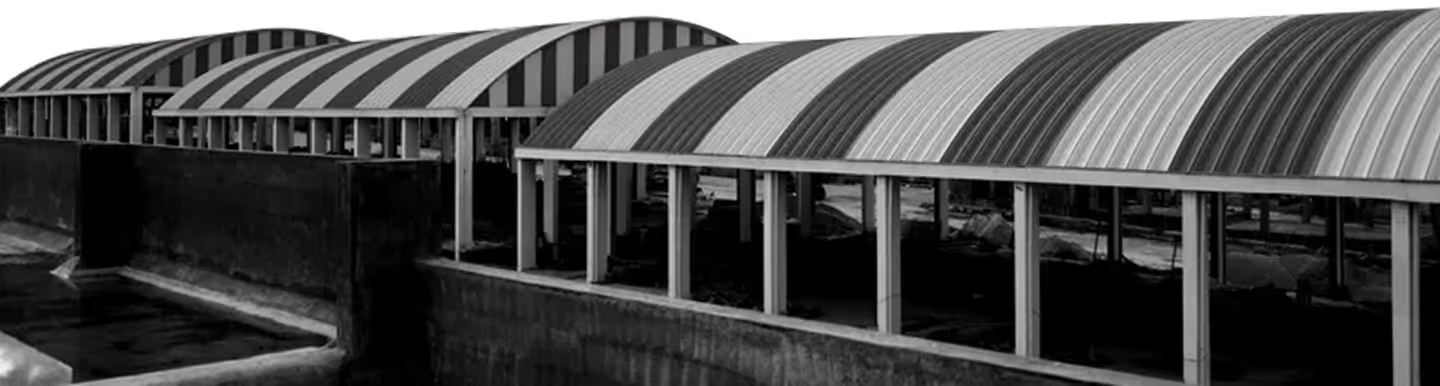
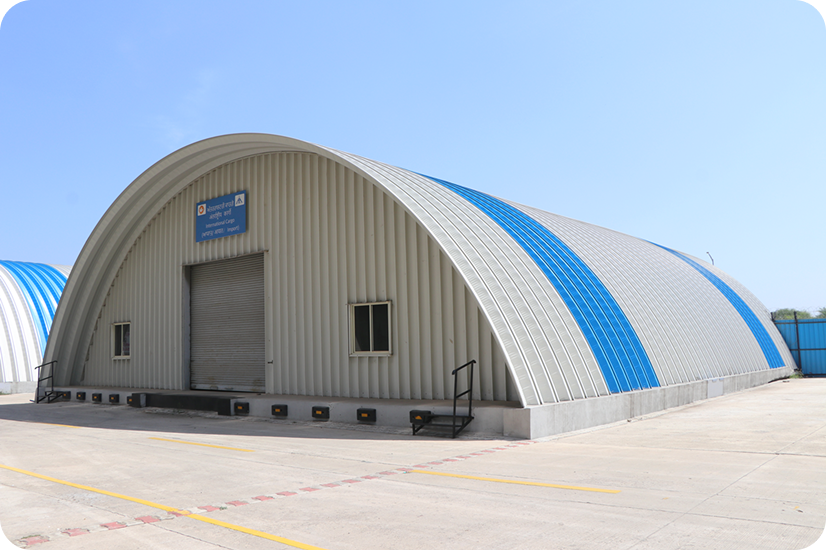
Self-Supported Steel Roofs: The top choice for warehouse roofing and large industrial facilities. Arched steel panels are formed on-site and mechanically seamed, no bolts, no sealants, no leaks. They span up to 30 meters with no internal columns needed, and add-ons like skylights, ventilators, and cantilever extensions make them highly versatile.
Future-Ready: Solar-panel-ready surfaces let you go green and reduce your electricity dependence as your business grows.
Getting the installation right from day one is critical. Always work with experienced professionals who carry out a thorough site assessment before recommending a system. The installation process should include on-site panel fabrication, precise mechanical seaming, and a final inspection for complete weather-tightness.
For maintenance, the good news is that a quality self-supported steel roof needs very little attention. Schedule annual visual inspections, keep gutters clear, and address any minor issues early to extend the roof's life further.
One key warning: avoid cutting corners with cheap materials to save upfront costs. Low-quality roofing leads to leaks, repairs, and downtime costing far more in the long run.
MB Proflex (M&B Engineering Ltd) is one of India's most trusted names in industrial roofing. With over 10,000 successful projects and more than 20 million square meters installed, the company brings deep expertise to every build from small factory sheds to large-scale warehouse roofing projects.
We specialize in self-supported steel roofing systems that are 100% leak-proof, rapidly deployable, and built to last. Every solution is tailored to your specific site, climate, and budget so you get exactly what your facility needs, without paying for what it does not.Contact Proflex Roofing Solutions today for consultation about your roof and its solutions and request a quote to discover the right industrial roofing solution for your warehouse or factory.
One key warning: avoid cutting corners with cheap materials to save upfront costs. Low-quality roofing leads to leaks, repairs, and downtime costing far more in the long run.