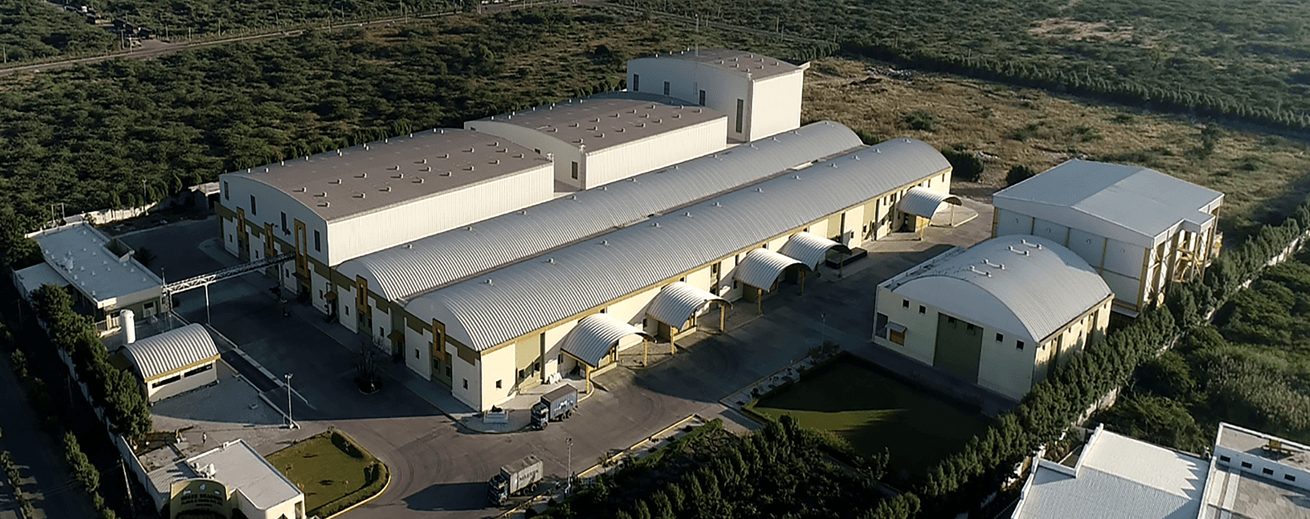
Galvalume steel is a carbon steel sheet coated with 55% aluminium, 43.5% zinc, and 1.5% silicon. This coating provides superior corrosion resistance, heat reflectivity, and durability, allowing Galvalume roofing to last significantly longer than traditional galvanised steel roofing.
If you have ever researched steel roofing, you have come across the word "Galvalume". It appears on product sheets, in contractor conversations, and in warranty documents. But what exactly is it and why does it matter when choosing a roofing solution for your warehouse, factory, or industrial facility?
Let us break it down in simple, everyday language.
Galvalume is a type of coated steel developed in the 1970s by Bethlehem Steel. Since then, it has become the preferred material for metal roofing across industries worldwide.
The coating applied to Galvalume steel is a carefully balanced mixture of three elements:
This combination creates a dual-action protection system. Aluminium acts as a long-term barrier, while zinc steps in to protect exposed or damaged areas. Together, they give Galvalume steel a level of durability that regular steel simply cannot match.
This is the question most buyers ask first and it is a fair one, because both materials look similar and are used in many of the same applications. Galvanised steel roofing uses a coating of pure zinc applied through a hot-dip process. Zinc is an effective protector, but it works primarily as a sacrificial barrier. Once the zinc layer wears down or is damaged, the steel underneath begins to rust and that rust spreads.
Galvalume steel combines zinc with aluminium and silicon. The aluminium creates a more stable oxide layer that resists environmental wear far better than zinc alone. Studies show that Galvalume offers two to four times better corrosion resistance than standard galvanised steel.
Here is what that difference looks like in real terms:
There are three key reasons Galvalume roofing consistently outlasts regular galvanised steel roofing in real-world conditions.
1. The Aluminium Barrier Does Not Break Down Easily
Aluminium forms a tight, stable oxide layer when exposed to air and moisture. Unlike zinc, which gradually sacrifices itself to protect the steel, aluminium holds its ground creating a long-term shield against rain, humidity, and temperature changes. This is particularly important in India, where roofs face intense monsoons, extreme heat, and in coastal areas, high salt content in the air.
2. Zinc Fills the Gaps Aluminium Cannot Reach
At panel edges, cut points, and areas where the coating is nicked or scratched, aluminium alone cannot offer full protection. This is where the zinc in Galvalume's
coating takes over flowing to exposed areas and providing sacrificial protection. This self-healing property is one of Galvalume's most important characteristics for industrial roofing.
3. Galvalume Stays Cooler Under Direct Sunlight
Unpainted Galvalume surfaces reflect more solar radiation than galvanised steel. This means the roof absorbs less heat during peak summer temperatures which reduces the thermal expansion and contraction stress that the material experiences day after day. Less stress means fewer micro-cracks in the coating, and a longer overall service life.
Research by the Metal Construction Association (MCA) indicates that Galvalume roofing can last 40 to 50 years or more under typical atmospheric conditions without significant corrosion. In well-maintained, painted applications, some industry experts suggest a lifespan of 50 years and beyond.
Galvanised steel roofs in similar conditions typically require replacement within 20 to 30 years, a significant difference that directly affects your total cost of ownership over the life of a building.
For most industrial roofing projects in India, Galvalume steel is considered the preferred roofing material because of its long lifespan and superior corrosion resistance. There are situations where galvanised steel may still be preferred particularly in livestock buildings or high-ammonia environments. But for general industrial roofing, Galvalume is the industry standard.
At Proflex, all self-supported steel roofing systems are built on a Galvalume steel base, a deliberate choice made after more than 24 years of delivering roofing solutions across 30+ industries and10,000+ projects in India.
By combining Galvalume steel with on-site panel fabrication and mechanical seaming, we deliver roofs that are not just strong on day one but continue performing decade after decade with minimal maintenance.
If you are planning a new facility or replacing an ageing roof, our team can help you find the right Proflex steel roofing solution for your project, location, and budget. Get in touch with the Proflex team and let us help you build something that lasts.
Q1. Is Galvalume steel used in self-supported steel roofing systems in India?
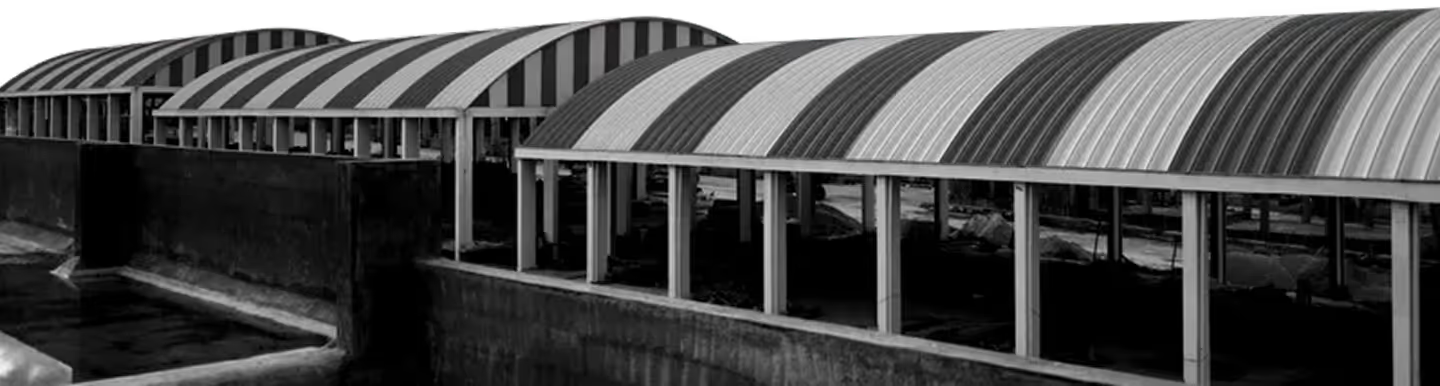
Yes. Galvalume steel is the material of choice for self-supported roofing systems across India. Its superior corrosion resistance, heat reflectivity, and long lifespan make it ideally suited for arch roofing and trussless roofing solutions used in warehouses, factories, and large industrial facilities. Leading steel roofing companies, including Proflex Roofing, use Galvalume as the foundation for all their self-supported steel roofing panels.
Q2. How does Galvalume steel perform in India’s climate compared to regular steel roofing?
Galvalume steel significantly outperforms regular galvanised steel in India’s extreme conditions heavy monsoons, coastal salt air, and intense summer heat. Its aluminium-zinc-silicon coating resists rust two to four times longer, making it the preferred steel roofing solution for roofing companies in India working on long-life industrial projects.
Q3. Why do arch roofing and trussless roofing solutions rely on Galvalume steel?
Arch roofing and trussless roofing solutions are designed for large, column-free spans —and since the roof surface is constantly exposed to the elements, the material must be exceptionally durable. Galvalume steel’s unique coating handles structural stress, thermal expansion, and weather exposure far better than standard steel. This is why every self-supported roofing system from Proflex Roofing is built with Galvalume at its core.
Q4. What makes Proflex Roofing one of the trusted steel roofing companies in India for Galvalume-based roofing solutions?
Proflex Roofing has delivered over 10,000 projects across 30+ industries in India over 24 years. Every self-supported steel roofing panel is manufactured on-site from high-grade Galvalume steel and mechanically seamed for a watertight, bolt-free finish. As one of India’s most experienced roofing companies, Proflex combines material quality with precision engineering to deliver roofing solutions that last decades with minimal maintenance.
Q5. How long does a Galvalume-based self-supported roof last compared to a conventional steel roof?
A Galvalume-based self-supported roof typically lasts 40 to 50 years or more nearly double the lifespan of a conventional galvanised steel roof, which requires replacement within 20 to 30 years. When you add the cost savings from reduced maintenance, fewer repairs, and lower energy consumption, Galvalume-based steel roofing solutions deliver significantly better value over the life of any industrial or commercial building.
Q6. What is the composition of Galvalume steel?
Galvalume steel is coated with 55% aluminium, 43.5% zinc, and 1.5% silicon. This combination provides both barrier protection and sacrificial protection against corrosion, making it more durable than traditional galvanised steel.